Buy el-arenal.eu ?
We are moving the project
el-arenal.eu .
Are you interested in purchasing the domain
el-arenal.eu ?
domain@kv-gmbh.de · 0541-91531010
Buy el-arenal.eu ?
Can WD-40 be used as a contact spray?
Yes, WD-40 can be used as a contact spray to displace moisture and lubricate electrical components. It can help prevent corrosion and improve the conductivity of electrical connections. However, it is important to note that WD-40 is not specifically designed as a contact spray, so it may not be as effective as dedicated contact sprays for certain applications. **
Does WD-40 spray evaporate?
Yes, WD-40 spray does evaporate. WD-40 is a mixture of various oils and solvents, and when it is sprayed, the solvents quickly evaporate, leaving behind a thin film of lubricating oil. This allows the product to penetrate and loosen rusted or stuck parts, and then the remaining oil provides long-lasting lubrication. However, it is important to note that the evaporation process may vary depending on the specific conditions and application of the product. **
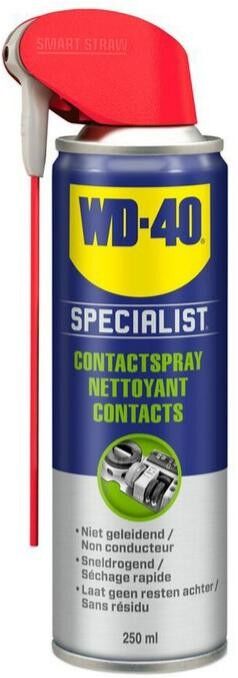

Similar search terms for WD-40-31403-Contact-Spray
Top-Angebote
Products related to WD-40-31403-Contact-Spray:
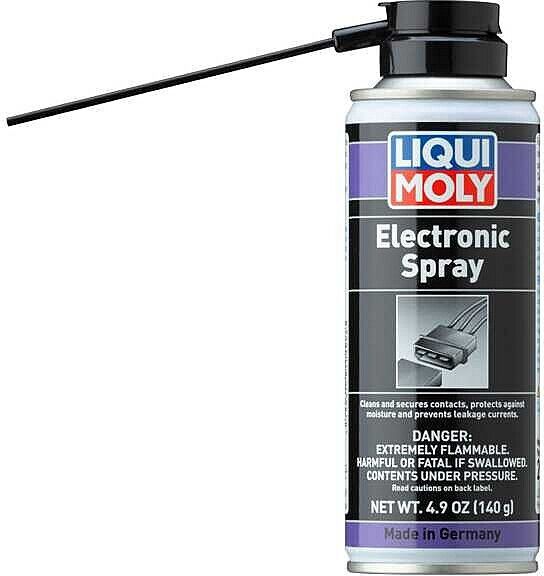
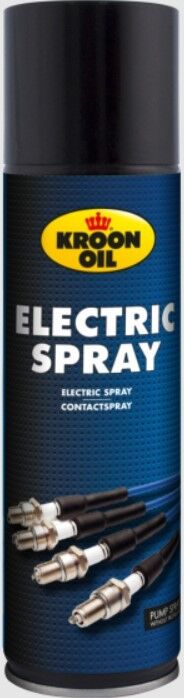

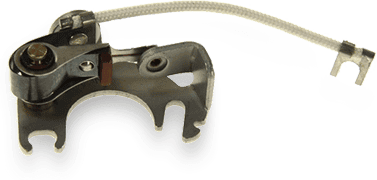
-
Is it dangerous to spray contact spray WD-40 into a charging cable?
Yes, it is dangerous to spray contact spray like WD-40 into a charging cable. WD-40 is flammable and can cause a short circuit or even a fire if it comes into contact with the electrical components inside the cable. It can also damage the insulation of the wires, leading to potential electrical hazards. It is best to avoid using any type of spray on charging cables to prevent any safety risks. **
-
How can one remove or wash off WD-40 spray?
To remove or wash off WD-40 spray, you can use a degreaser or a mixture of dish soap and water. Apply the degreaser directly to the affected area and scrub with a brush or cloth. Rinse thoroughly with water. If using dish soap and water, mix the two together and scrub the area before rinsing with water. Repeat the process if necessary until the WD-40 is completely removed. **
-
How can you remove or wash off WD-40 spray?
To remove or wash off WD-40 spray, you can use a degreaser or a grease-cutting dish soap along with warm water. Apply the degreaser or dish soap to the affected area and scrub gently with a brush or cloth. Rinse the area thoroughly with water to remove the WD-40 residue. Repeat the process if necessary until the spray is completely removed. **
-
What happens if you spray WD-40 into the exhaust?
Spraying WD-40 into the exhaust of a vehicle can cause damage to the engine and catalytic converter. WD-40 is a lubricant and solvent, and when sprayed into the exhaust, it can coat the internal components of the exhaust system, including the catalytic converter, leading to reduced efficiency and potential damage. Additionally, the WD-40 can create excessive smoke and fumes when the vehicle is started, which can be harmful to the environment and may also cause the vehicle to fail emissions tests. It is not recommended to spray WD-40 into the exhaust of a vehicle. **

How do you insert the red straw into the WD-40 spray?
To insert the red straw into the WD-40 spray, first locate the small hole on the top of the spray nozzle. Then, take the red straw and insert it into the hole until it is securely in place. Make sure the straw is inserted all the way to ensure that the spray will be directed where you need it. Once the straw is inserted, you can use the WD-40 spray as needed. **
Is the WD-40 chain spray for motorcycles also suitable for bicycles?
Yes, the WD-40 chain spray for motorcycles is also suitable for bicycles. Both motorcycles and bicycles have similar chain components and require similar maintenance. The WD-40 chain spray is designed to lubricate and protect chains from rust and corrosion, making it an effective option for both motorcycles and bicycles. However, it's always a good idea to check the specific needs of your bicycle and its components before using any product. **
Top-Angebote
Products related to WD-40-31403-Contact-Spray:
-
Can WD-40 be used as a contact spray?
Yes, WD-40 can be used as a contact spray to displace moisture and lubricate electrical components. It can help prevent corrosion and improve the conductivity of electrical connections. However, it is important to note that WD-40 is not specifically designed as a contact spray, so it may not be as effective as dedicated contact sprays for certain applications. **
-
Does WD-40 spray evaporate?
Yes, WD-40 spray does evaporate. WD-40 is a mixture of various oils and solvents, and when it is sprayed, the solvents quickly evaporate, leaving behind a thin film of lubricating oil. This allows the product to penetrate and loosen rusted or stuck parts, and then the remaining oil provides long-lasting lubrication. However, it is important to note that the evaporation process may vary depending on the specific conditions and application of the product. **
-
Is it dangerous to spray contact spray WD-40 into a charging cable?
Yes, it is dangerous to spray contact spray like WD-40 into a charging cable. WD-40 is flammable and can cause a short circuit or even a fire if it comes into contact with the electrical components inside the cable. It can also damage the insulation of the wires, leading to potential electrical hazards. It is best to avoid using any type of spray on charging cables to prevent any safety risks. **
-
How can one remove or wash off WD-40 spray?
To remove or wash off WD-40 spray, you can use a degreaser or a mixture of dish soap and water. Apply the degreaser directly to the affected area and scrub with a brush or cloth. Rinse thoroughly with water. If using dish soap and water, mix the two together and scrub the area before rinsing with water. Repeat the process if necessary until the WD-40 is completely removed. **
Similar search terms for WD-40-31403-Contact-Spray
-
How can you remove or wash off WD-40 spray?
To remove or wash off WD-40 spray, you can use a degreaser or a grease-cutting dish soap along with warm water. Apply the degreaser or dish soap to the affected area and scrub gently with a brush or cloth. Rinse the area thoroughly with water to remove the WD-40 residue. Repeat the process if necessary until the spray is completely removed. **
-
What happens if you spray WD-40 into the exhaust?
Spraying WD-40 into the exhaust of a vehicle can cause damage to the engine and catalytic converter. WD-40 is a lubricant and solvent, and when sprayed into the exhaust, it can coat the internal components of the exhaust system, including the catalytic converter, leading to reduced efficiency and potential damage. Additionally, the WD-40 can create excessive smoke and fumes when the vehicle is started, which can be harmful to the environment and may also cause the vehicle to fail emissions tests. It is not recommended to spray WD-40 into the exhaust of a vehicle. **
-
How do you insert the red straw into the WD-40 spray?
To insert the red straw into the WD-40 spray, first locate the small hole on the top of the spray nozzle. Then, take the red straw and insert it into the hole until it is securely in place. Make sure the straw is inserted all the way to ensure that the spray will be directed where you need it. Once the straw is inserted, you can use the WD-40 spray as needed. **
-
Is the WD-40 chain spray for motorcycles also suitable for bicycles?
Yes, the WD-40 chain spray for motorcycles is also suitable for bicycles. Both motorcycles and bicycles have similar chain components and require similar maintenance. The WD-40 chain spray is designed to lubricate and protect chains from rust and corrosion, making it an effective option for both motorcycles and bicycles. However, it's always a good idea to check the specific needs of your bicycle and its components before using any product. **
* All prices are inclusive of VAT and, if applicable, plus shipping costs. The offer information is based on the details provided by the respective shop and is updated through automated processes. Real-time updates do not occur, so deviations can occur in individual cases. ** Note: Parts of this content were created by AI.